Quelles normes s'appliquent aux essais au rhéomètre à matrice mobile ?
Dans le processus de recherche, de développement et de contrôle de la qualité des matériaux en caoutchouc, les essais de vulcanisation constituent une étape clé pour déterminer la stabilité et la constance des performances du produit.
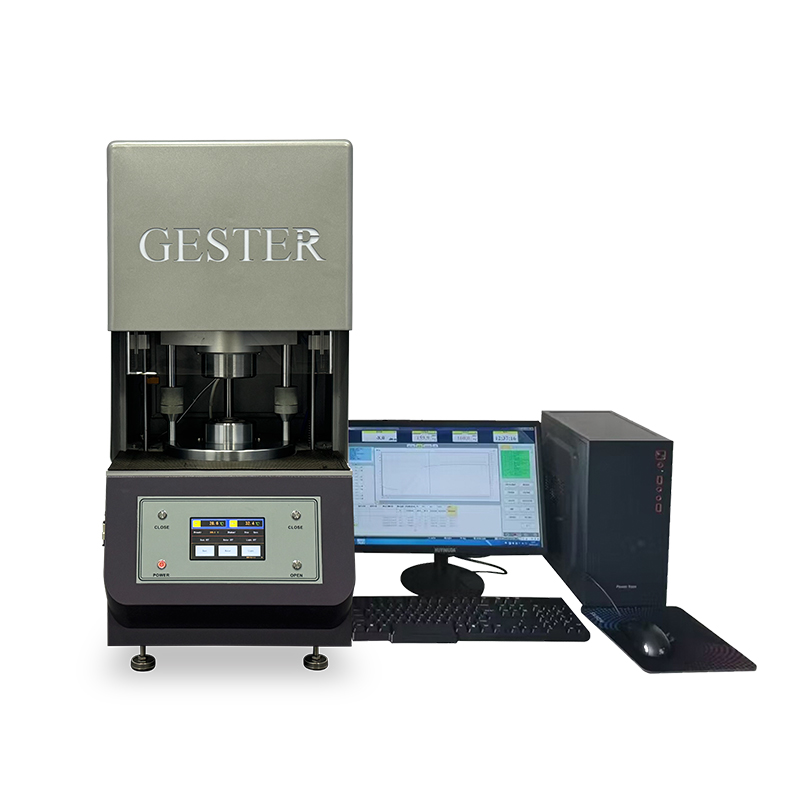
Rhéomètre à matrice mobile (MDR)
, qui compte parmi les instruments de test de performance de vulcanisation les plus utilisés aujourd'hui, est largement appliqué dans les domaines des pneumatiques, des joints d'étanchéité, des produits en caoutchouc industriels, des matériaux de chaussures et des élastomères haute performance.
Cependant, lors de l'utilisation d'un
Rhéomètre sans rotor
En pratique, de nombreux utilisateurs sont souvent confrontés à une question fondamentale :
Sur quelles normes les tests MDR doivent-ils être basés ?
Quelles sont les différences entre les différentes normes ?
Comment choisir un cahier des charges de test adapté aux exigences de son laboratoire ou de son client ?
I. Le rôle du test rhéométrique pour le caoutchouc
Le rhéomètre à matrice mobile est spécifiquement conçu pour déterminer les propriétés rhéologiques des composés de caoutchouc pendant le processus de vulcanisation.
Dans le
rhéomètre à matrice mobile
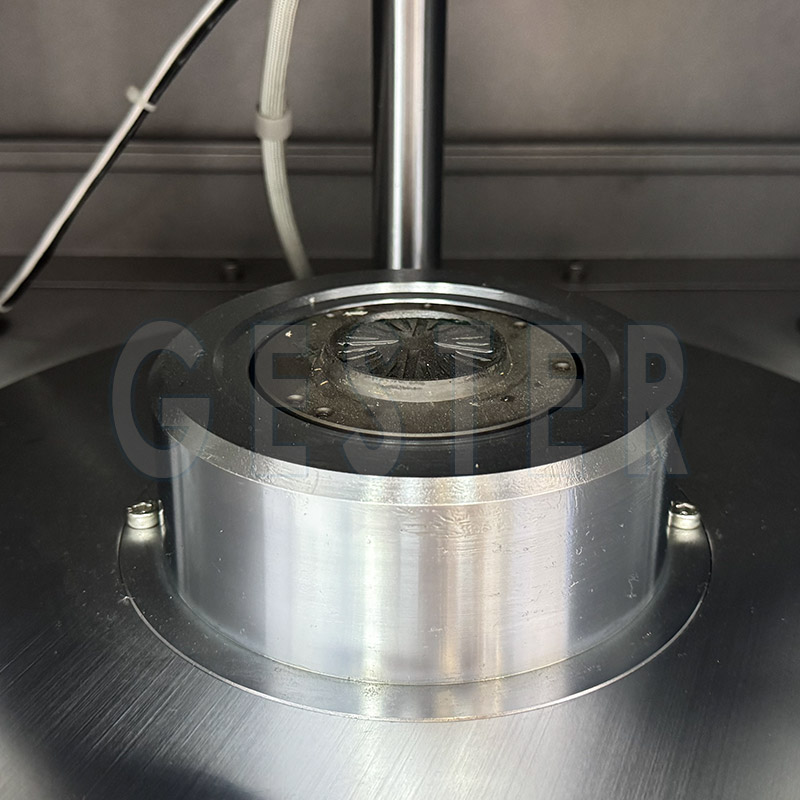
Un échantillon de composé de caoutchouc, placé dans une cavité pressurisée, est soumis à un chauffage contrôlé. Lorsque la matrice inférieure produit une oscillation sinusoïdale, un capteur de couple situé sur la matrice supérieure détecte le couple généré par l'échantillon.
II. Caractéristiques du rhéomètre à matrice mobile
Doté d'un logiciel de rhéomètre avancé, le rhéomètre à matrice mobile est spécialement conçu pour analyser les caractéristiques de vulcanisation des composés de caoutchouc, notamment le temps de scorch, le temps de vulcanisation, la vitesse de vulcanisation, la viscoélasticité et le plateau de vulcanisation.
Temps de préchauffage : Il s’agit du temps pendant lequel le composé de caoutchouc chauffe, depuis le début de la montée en température jusqu’au moment où des réactions de réticulation évidentes apparaissent et où le couple commence à augmenter significativement. Ce temps reflète la sécurité de mise en œuvre du composé : plus le temps de préchauffage est long, moins le risque de réticulation prématurée (échauffement) est élevé et plus la sécurité de mise en œuvre est grande.
Temps de vulcanisation : Il s’agit du temps nécessaire au mélange de caoutchouc, depuis le début de la vulcanisation jusqu’à ce que la réaction de réticulation atteigne un état stable (le couple atteint une valeur maximale ou stable). Ce temps détermine la durée réelle du processus de vulcanisation des produits en caoutchouc et constitue le paramètre de base pour la définition des paramètres de production.
Vitesse de vulcanisation : Elle reflète la rapidité de la réaction de réticulation du mélange de caoutchouc lors de la vulcanisation, généralement exprimée comme l’inverse du temps de vulcanisation ou de la pente de la courbe de couple. La vitesse de vulcanisation influe directement sur le rendement de la production et sur les propriétés finales du mélange.
Viscoélasticité : Caractéristiques visqueuses et élastiques globales du composé de caoutchouc lors du processus de vulcanisation, reflétées par les variations dynamiques du couple. La viscoélasticité influe directement sur les propriétés mécaniques des produits en caoutchouc (telles que la résistance à la traction, l’élasticité, la résistance à l’abrasion, etc.).
Plateau de vulcanisation : Il s’agit de la phase suivant la vulcanisation stable du composé de caoutchouc, durant laquelle le couple reste constant. L’amplitude du couple pendant le plateau reflète la qualité de la réaction de réticulation. Un plateau plus long indique une meilleure stabilité de vulcanisation du composé et des performances plus stables du produit final.
III. À quelles normes le rhéomètre MDR est-il conforme ?
Le rhéomètre à matrice mobile est conforme aux normes suivantes :
GB/T 16584-1996, ISO 6502-3:2018, ASTM D5289-2017
1. ISO 6502-3:2018
La norme ISO 6502-3:2018 relative à la détermination de certaines caractéristiques de vulcanisation d'un composé de caoutchouc au moyen d'un vulcanomètre sans rotor est l'une des normes internationalement reconnues pour les essais de performance de vulcanisation du caoutchouc, et elle est particulièrement applicable aux scénarios d'essai utilisant un rhéomètre à matrice mobile.
Un échantillon de caoutchouc est placé dans une cavité chauffée formée par deux matrices, dont l'une est mise en oscillation à une fréquence et une amplitude données. Cette oscillation induit une contrainte de cisaillement sur l'échantillon et un couple de cisaillement qui dépend de la rigidité (module de cisaillement) du caoutchouc. Le couple, qui augmente au cours de la vulcanisation, est mesuré par un capteur de couple intégré à l'autre matrice. Le couple est enregistré automatiquement en fonction du temps.
La rigidité de l'éprouvette en caoutchouc augmente au fur et à mesure de la vulcanisation. La courbe est complète lorsque le couple enregistré atteint une valeur d'équilibre ou une valeur maximale (voir ISO 6502-1).
2. ASTM D5289-2017
Méthode d'essai normalisée ASTM D5289 pour les propriétés du caoutchouc — Vulcanisation à l'aide de vulcanomètres sans rotor.
Cette méthode d'essai permet de déterminer les caractéristiques de vulcanisation des composés de caoutchouc (vulcanisables). Elle peut être utilisée pour le contrôle qualité des procédés de fabrication du caoutchouc, pour les essais de recherche et développement sur le caoutchouc brut incorporé dans une formulation d'évaluation, et pour l'évaluation de diverses matières premières utilisées dans la préparation de composés de caoutchouc (vulcanisables).
Dans un appareil de vulcanisation sans rotor, l'échantillon testé atteint la température d'essai plus rapidement, et la répartition de la température dans l'échantillon est meilleure grâce à l'élimination du rotor non chauffé présent dans les appareils de vulcanisation à disque oscillant.
Plusieurs fabricants produisent des appareils de polymérisation sans rotor présentant des différences de conception susceptibles d'entraîner des variations de couple et de temps de polymérisation. Il convient d'établir des corrélations entre les résultats d'essais obtenus avec des appareils de polymérisation de conceptions différentes pour chaque composé testé et pour chaque condition d'essai.
3. GB/T 16584-1996
La norme GB/T 16584-1996 est l'une des normes importantes élaborées en Chine pour les essais de vulcanisation du caoutchouc et est largement utilisée depuis longtemps dans l'industrie nationale du caoutchouc. Cette norme spécifie en détail les méthodes d'essai permettant de déterminer les caractéristiques de vulcanisation du caoutchouc à l'aide de rhéomètres à matrice mobile ou sans rotor.
Les caractéristiques de ceci
caoutchouc d'essai MDR
Les normes comprennent :
Il est applicable à la plupart des caoutchoucs à usage général et des systèmes de formulation.
Il spécifie clairement les exigences relatives à la température d'essai, à la fréquence d'oscillation et aux conditions de contrainte.
Le rhéomètre à matrice mobile respecte scrupuleusement les normes d'essai en vigueur. Qu'il s'agisse des normes GB/T, ISO ou ASTM, leur existence vise à garantir la fiabilité des données d'essai et la conformité des produits. Elles constituent également un gage essentiel de normalisation industrielle et de développement de haute qualité.


 français