Qu'est-ce qu'un mijoteur électronique ? — Le guide complet
La solidité des couleurs désigne la capacité des textiles à conserver leur couleur d'origine malgré les agressions courantes tout au long de leur durée de vie. Une solidité élevée des couleurs est essentielle pour répondre aux exigences de performance, notamment dans le secteur de l'habillement.
Les tests de solidité des couleurs comprennent généralement la solidité à la lumière, aux intempéries, au lavage, au frottement, à la transpiration, etc. Dans certains cas, différents textiles ou environnements d'utilisation nécessitent des évaluations spécifiques de la solidité des couleurs.
Cet article porte principalement sur la solidité des couleurs au frottement, qui évalue la résistance d'un tissu au transfert de couleur lorsqu'il est frotté de manière répétée sur des surfaces sèches ou humides.
Solidité des couleurs au frottement
La solidité au frottement désigne la résistance de la couleur d'un tissu imprimé à l'usure due au frottement. Elle dépend principalement de deux facteurs : la quantité de colorant flottant et la combinaison de colorants et de fibres. Plus la quantité de colorant flottant est importante, plus sa solidité au frottement est faible.
Le
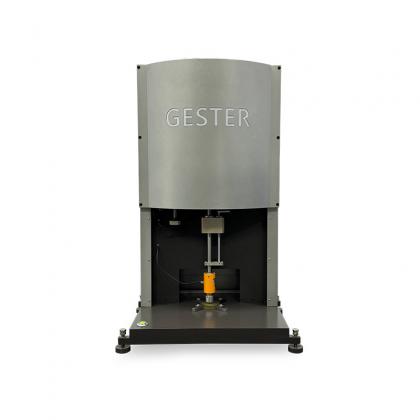
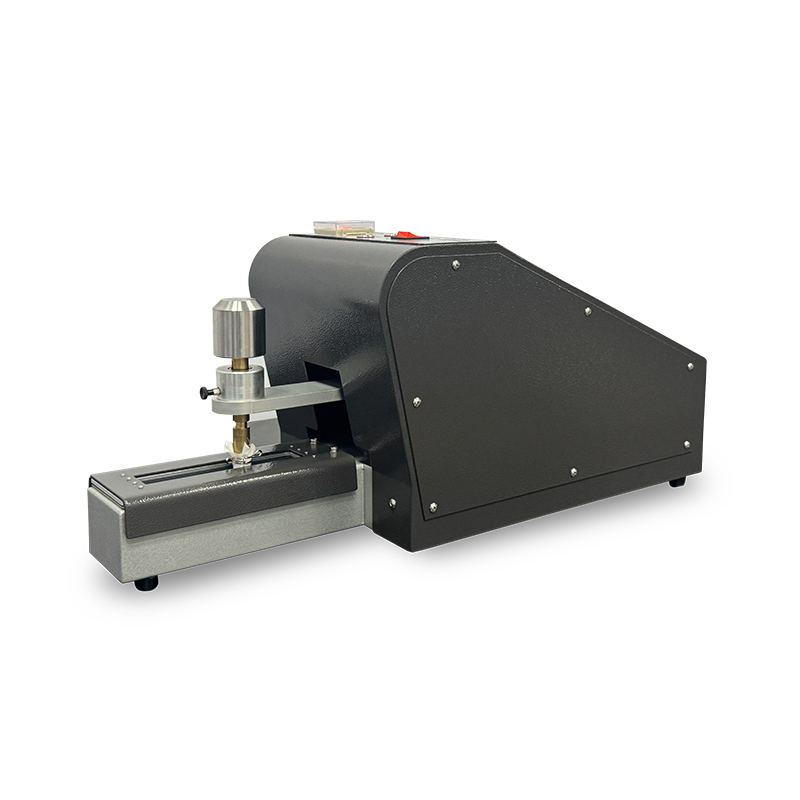
Crockmètre électronique
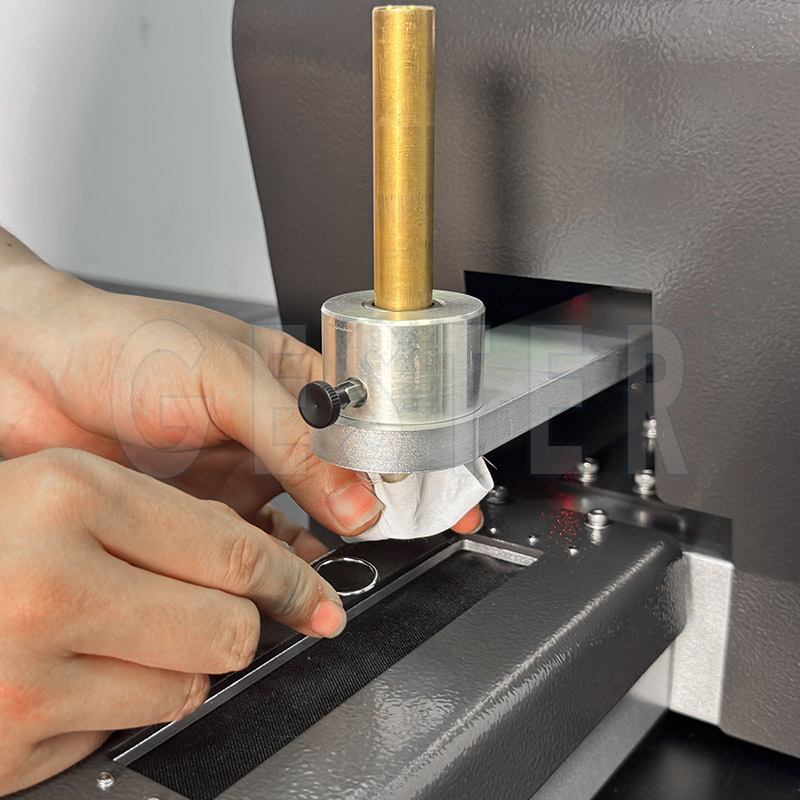
Cet appareil sert à déterminer la solidité des couleurs des textiles au frottement à sec ou humide. Un porte-échantillon en acrylique à fixation par épingle assure un montage rapide de l'échantillon et des résultats reproductibles.
GESTER AATCC Crockmeter
Boîtier métallique, revêtement cuit à haute température, entretien facile.
Moteur électrique, équipé d'un compteur électronique prédéterminé pour des courses jusqu'à 9999 ; l'expérience se déroule avec succès grâce à un arrêt automatique.
Normes de la machine à mesurer Crock GT-D04
Les normes les plus utilisées sont AATCC 8 et
ISO 105 X12
Un instrument spécial appelé testeur de frottement est utilisé pour frotter le tissu d'essai avec du tissu non teint humide et sec pendant une durée spécifiée.
Commencez par déposer l'échantillon de textile à plat sur la plateforme du testeur. Fixez ensuite un coton blanc standard, sec ou humide, sur la tête de frottement. La chaîne et la trame du coton blanc standard doivent se croiser avec l'échantillon à un angle de 45°. La tête de frottement doit ensuite se déplacer sur une distance de 10 cm sur l'échantillon. Ce mouvement doit être répété 10 fois, à raison d'une fois par seconde, en un mouvement de va-et-vient rectiligne. L'échantillon doit mesurer au moins 20 cm × 5 cm, dans le sens de la chaîne ou de la trame. Ce test permet de vérifier la solidité des couleurs au frottement. Il frotte le tissu dans les deux sens. Il est impératif de brosser le coton blanc standard afin d'éliminer toute fibre colorée restante.
Le test évalue le niveau de coloration sur le tissu de coton blanc teint et dans le sens de la chaîne et de la trame à l'aide d'une échelle grise (ou colorée).
Comment évaluer les résultats
Une note de quatre au test de frottement à sec et de trois à trois et demi au test de frottement humide indique généralement un tissu de bonne qualité. Ces notes montrent la résistance du tissu au frottement sans transfert de couleur significatif ni taches. En comprenant ces résultats de test, vous pouvez éviter les taches de teinture disgracieuses en choisissant des tissus moins susceptibles de déteindre d'un vêtement à l'autre.
Comment choisir des produits à haute résistance des couleurs
Maintenant que nous avons abordé les raisons pour lesquelles les vêtements ont tendance à se décolorer, examinons quelques conseils pratiques qui vous aideront à préserver l'éclat de vos vêtements plus longtemps :
Utilisez des colorants et des agents de finition certifiés inaltérables lors de la fabrication :
Lors de l'achat de vêtements, privilégiez les articles confectionnés avec des teintures et des finitions certifiées inaltérables. Les fabricants qui accordent une grande importance à la solidité des couleurs l'indiquent généralement sur leurs étiquettes. Des teintures et des apprêts de haute qualité peuvent prolonger considérablement la durée de vie des couleurs des vêtements, notamment en les rendant résistants à la transpiration, aux lavages et à la lumière du soleil.
Séchage à l'air libre ou nettoyage à sec pour les couleurs délicates :
Évitez de sécher les vêtements délicats ou aux couleurs vives au sèche-linge. Privilégiez le séchage à l'air libre, une option plus douce qui préserve les couleurs. Pour les articles particulièrement fragiles, le nettoyage à sec peut être une solution appropriée, car il permet de maintenir l'intégrité du tissu et d'éviter la décoloration.
Laver avec un détergent doux et de l'eau froide :
Utilisez une lessive douce et de l'eau froide pour laver vos vêtements. L'eau froide est moins susceptible de faire déteindre les couleurs que l'eau chaude.
De plus, les lessives douces conviennent aux tissus de couleur. Pour une meilleure tenue des couleurs, suivez attentivement les instructions d'entretien figurant sur les étiquettes des vêtements.



 français